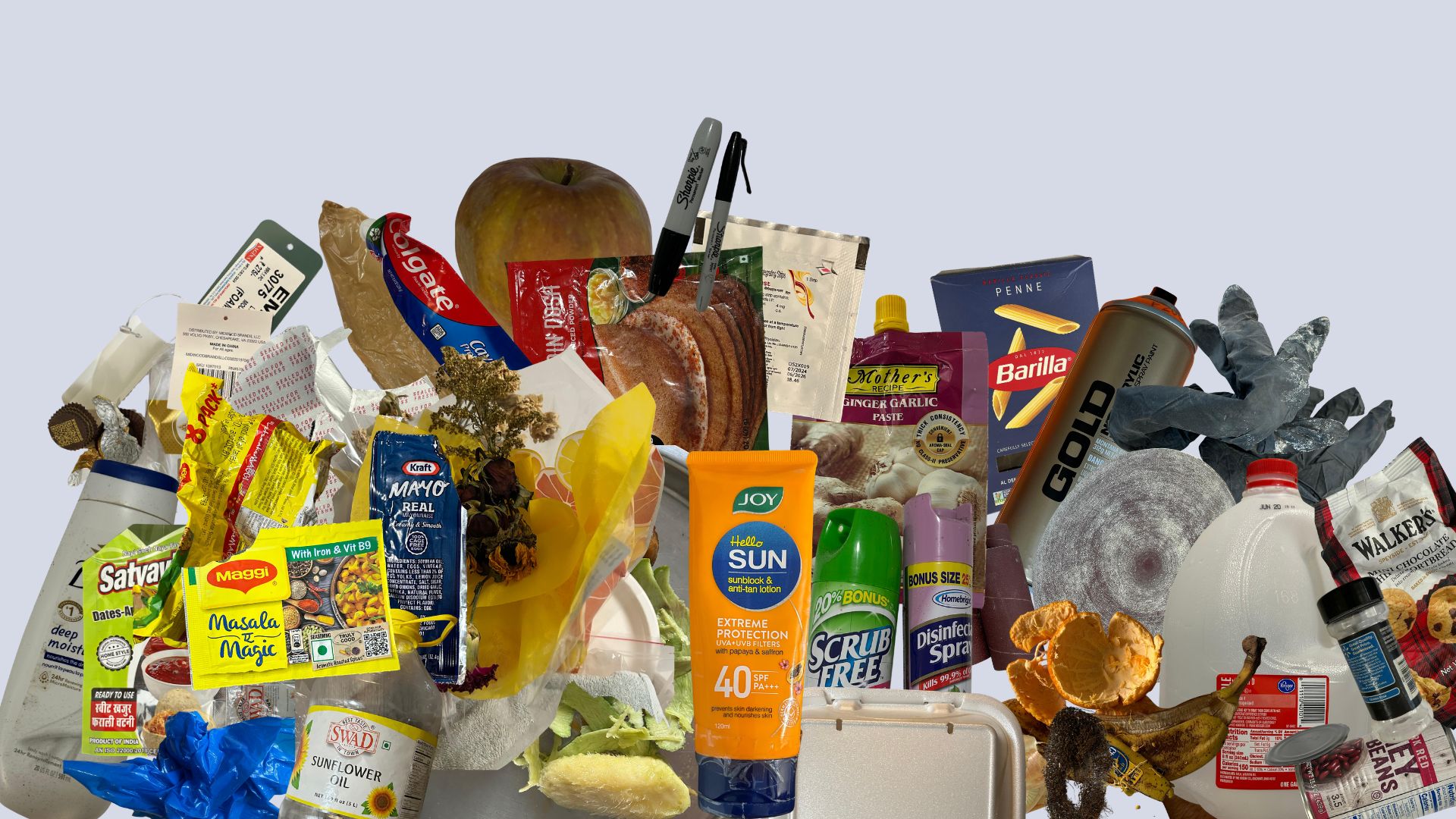
The Trash we generate...
As a child, I was messy! My cupboard was never tidy, while my sister on the other hand, a clean freak, kept everything organized in a pretty systematic way that anyone can find anything out of her cupboard in a matter of seconds. Even though I always knew where to find my stuff, I realized it’s equally important for others to locate them and to communicate the unspoken through an organized layout. From a young age, I learned that anything following a system is more likely to reach its intended destination than a heap of unorganized chaos. Here, there are two parallels I’d like to emphasize: as humans, we have created, and continue to create, two incredibly dangerous forms of chaos: “Waste” and “Mess.”
We all know that humans invented waste, there’s no waste in nature. And while we can’t simply stop an 8-billion-strong world from generating waste, we can at least avoid turning it into an even bigger mess. Waste itself is already chaotic, and making it more disorganized only makes our path out of it more difficult. Think about clearing snow from the top of your car after a snowfall or tidying a cluttered computer desk. If you don’t take the time to clear or organize it right away, it piles up, becoming bigger, harder, and more time-consuming to handle. Not to mention, important projects might be paused because of missing items buried somewhere in that mess, or worse, things you didn’t even realize were there.
Right now, we’re living in a world of crises, a climate crisis and all the factors that contribute to it. One of the biggest is undoubtedly the waste we’re generating and dumping. This waste crisis is a wicked problem, one we’ve yet to find a way to truly solve. Waste, of all kinds and in all forms, is already part of the crisis, and continually adding to it only complicates and slows down our path to a brighter future. We need to stop this, and we need to do it faster than ever and more effectively.
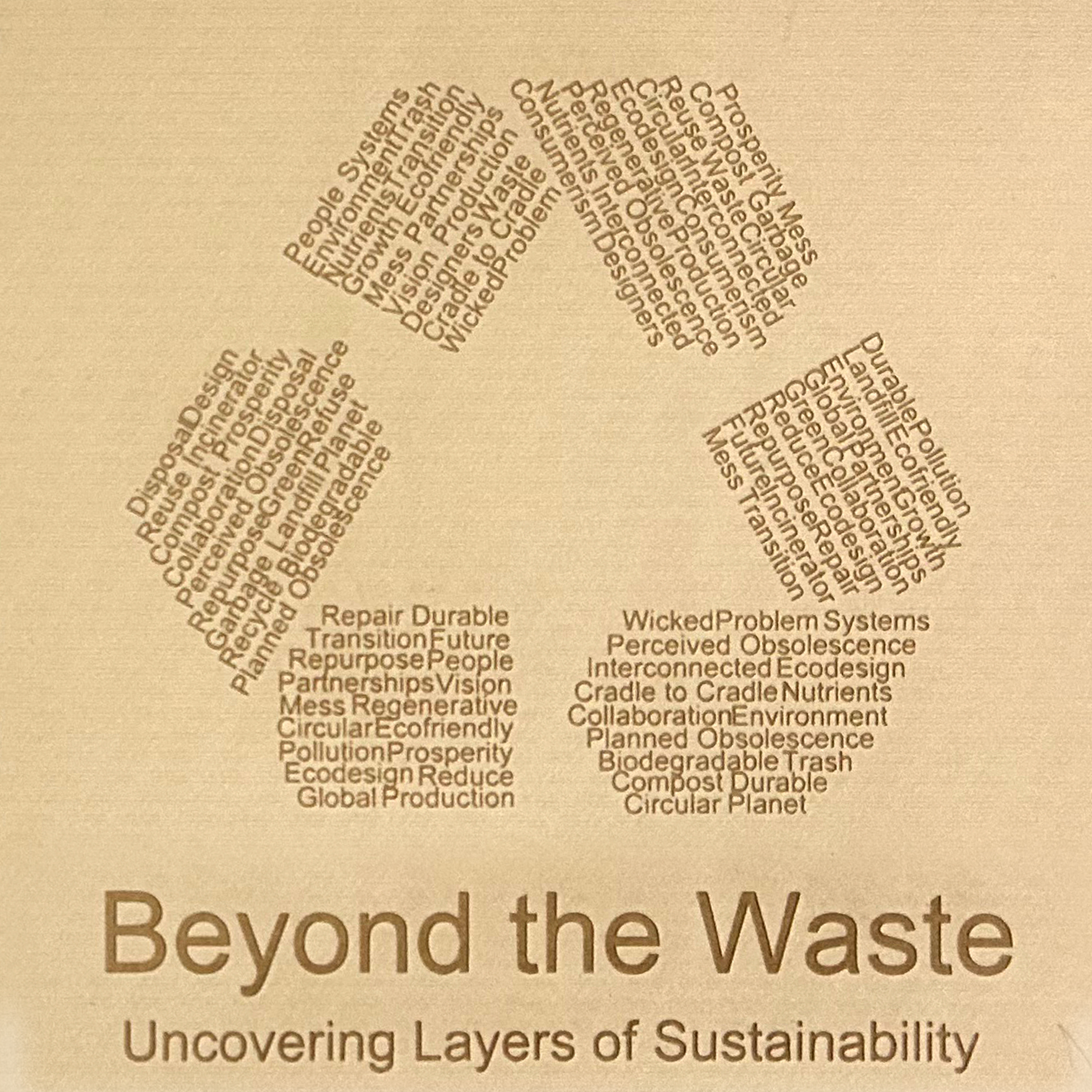
I wrote a journal, "Beyond the waste". It is a biography of my journey in sustainability, an attempt to connect my understanding of sustainable approaches to the urgent issue of waste generation and management. It aims to spread awareness among readers about the potential impact they hold in their daily roles, both as individuals and as part of a global community. Through this exploration, I hope to inspire others to recognize their role in building a more sustainable future.
This book is an invitation to rethink waste, not as a guilt-laden topic, but as an opportunity to adopt a more sustainable approach to how we manage it.It isn't about making you feel bad for the role we all play in contributing to environmental harm. Instead, it's about offering practical steps for change. It's about learning from what we've gone through and how we can move towards a more sustainable future. We may one day succeed in finding water on Mars, or we may not. But for now, Earth is our only home. It has provided us with resources far beyond what we deservelet's show it the care and respect it deserves. Let's give back to this wonderful planet that allows us to live, thrive, and grow.
Download Journal